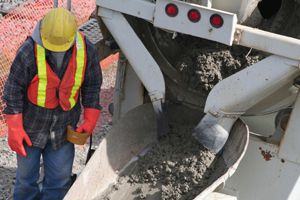
How much do concrete finishers & overlay services typically cost?
- Philadelphia, Pennsylvania Average$2,383
- Typical Range$1,866 - $4,250
- Low End - High End$800 - $5,000

Garage Concrete Floor Coating-Apply, Garage Organizers - Install
"Efficient and beautiful end project."
Lynne H. in December 2016
New Brick fronts, Stone Restoration
"If you need someone who is prompt, professional and knows what they are doing, then you hire the guys from Union Masonry. They delivered what they promised. An excellent job for the right price."
Ben G. in October 2015
"Great experience, from initial estimate to job completion. Very thorough, keep the job site clean. Even with all the grinding, I could not find any signs of dust anywhere on either floor of the garage. The floor looks awesome."
George S. in December 2023
In business since 2020
About us: "We pride our company on reliability, great communication, integrity, and quality work. We are experts in our trade and will do our best to keep you as educated as we can on your particular task or project. We look forward to earning your business!"
Liner Installs, Masonry repairs, Chimney Repair and Inspections
"My experience with Clark Chimney overall was very satisfactory. The service provided was very professional and time efficient. Thank you to Chris and his team."
BEVERLY JOY H. in February 2024
In business since 2015
About us: "StoneLion Paving is committed to excellence in every aspect of our business. We uphold a standard of integrity bound by fairness, honesty, and personal responsibility. Our distinction is the quality of service we bring to our customers. Accurate knowledge of our trade combined with ability is what makes us true professionals. Above all, we are watchful of our customers' interests, and make their concerns the basis of our business."
In business since 2020
Floor Grinding and Polishing Services, Specializes in Polyurea Vinyl Flake Application, Full Concrete replacement if neeed , and 2 more
About us: "The team at Fortress Floor Coatings of Pennsylvania has been working with homeowners for over two decades–transforming residential concrete into highly durable surfaces that add value to your home. From the time you reach out for your free quote to the wrap-up once our team has transformed your floor, you can expect high attention to detail, integrity, and no cutting corners–we are the contractors who go above and beyond."
Philadelphia Concrete Contractors are rated 0.0 out of 5 based on 0 reviews of 0 pros.
The HomeAdvisor Community Rating is an overall rating based on verified reviews and feedback from our community of homeowners that have been connected with service professionals. See individual business pages for full, detailed reviews.
If you're looking for Concrete Finishing, Overlay, or Coloring Apply Contractors that serve a different city in Pennsylvania, here are some popular suggestions:
Where will the special finishes be applied?
What kind of location is this?
Find out how HomeAdvisor can help your business