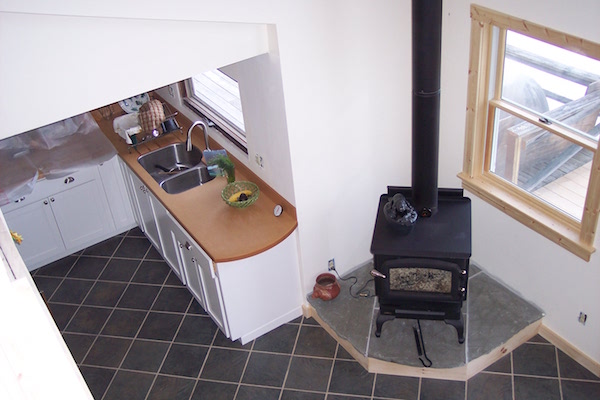
Though there are many ways to heat a home in the modern day, wood stove heating is, if not the most popular choice, a viable option, especially for those concerned with the rising prices of fossil fuels. Unlike fireplaces and wood burners of yesteryear, contemporary wood stove heating is far more efficient, and even cleaner! You might not immediately want to switch your whole house over to wood stove heating, but the addition of a wood burning unit or two might make a big difference in both your fuel bills, and the air quality in your home.
Clearing the Air About Wood Stove Combustors
Some wood stove heating systems include a combustor. By re-burning fuel elements in the smoke, wood stove combustors reduce your need for wood, increase heat output, lessen creosote formation, and lower emissions. New, longer lasting retrofit catalytic combustors can improve wood stove efficiency anywhere from 10 percent to 25 percent.
Increase Wood Stove Efficiency with a Catalytic Combustor
Besides substantially reducing the amount of wood needed during a heating season (if you rely heavily on a wood stove), these catalytic combustors can also cut back on creosote formation and air pollution by as much as 80 percent. Like the catalytic converter in your car’s exhaust system, the wood stove combustor works by burning fuel elements in the smoke, thereby lessening the potential for acid rain and chimney fires.
Though the catalytic combustor needs little upkeep, any ash that collects on the combustor may be cleaned gently with a soft brush. Its internal “honeycomb” part never needs cleaning, but should be replaced normally within two to three years. Some signs of needed combustor replacement are creosote build-up, excessive chimney smoke, and a generally sluggish stove operation.
Non-catalytic Wood Stove Heating
Non-catalytic stoves (“noncats”) burn wood within a heavily insulated firebox that ensures a more thorough combustion. Residual gases and soot particles are burned off in a secondary combustion chamber. Without a combustor to maintain, non-catalytic stoves do not require the same level of care as catalytic stoves.
Ready to start your wood stove?
Find ProsSpecs for Catalytic and Noncat Wood Stove Heating Units
Stoves with catalytic combustors should have a main body thickness of a minimum of 1/4-inch plate steel or cast iron. Its bypass plate should be at least 5/16-inch thick and grip a piece of thin paper tightly when closed. Also important is the mechanism installed to protect the combustor from direct flame, which will prevent premature wear. This flame protector is sometimes placed in front of the wood stove combustor, while other manufacturers place it in the rear of the stove.
When shopping for a non-catalytic combustor stove, the important factors to look for are the materials and construction type used. They will play a role in both wood stove efficiency, and how clean the stove burns, as well. The body of the stove should be constructed with a minimum of 1/4-inch cast iron or plate steel. The very important baffles, which are located in the interior roof, should be constructed with a minimum of 5/16-inch plate steel and have support beams that are v-shaped to resist warping.
 Whole House Humidifiers
  Choosing Green: Boilers and Radiator Heating Systems
  Upgrading Your Fireplace
  Choose the Best Fireplace for Your Home
  Air Conditioner Covers

I have relatives that have a wood burning stove and always smell of smoke. They don’t seem to notice it but it can’t be good for you. Any suggestions?