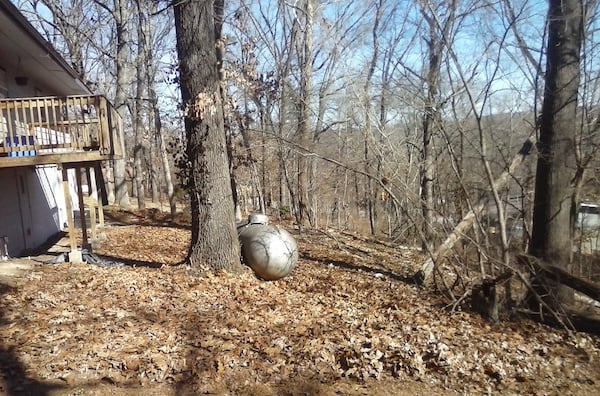
If you've ever run into a problem with your septic system, you know it's not pretty or cheap. Septic systems can be a reliable, long-lasting waste disposal system, but only if they're properly installed and maintained. These are some things to consider for proper septic maintenance that may save you a lot of money and aggravation down the line.
Septic Tank Lifetimes and Baffles
Steel septic tanks are going to rust and are unlikely to last more than twenty years, possibly sooner if the surrounding soil is especially acidic. Concrete septic tank installation is considerably more durable and will last more than 40 years if the concrete is properly mixed and poured. Concrete alternatives, such as plastic and fiberglass, also tend to have longer lifetimes.
When the structural integrity of your septic tank is compromised, the baffles are usually the first thing to go. Baffles are the inlet and outlet pipes of your septic tank. They are designed to control the flow of the septic waste and, in particular, to keep solids from leaving your tank. Damaged or deteriorated baffles often allow solids to pass from the tank into the absorption field. This decreases the lifetime of the field and eventually leads to clogging and backups. Regular inspection and maintenance of these baffles are critical to ensure your septic system operates smoothly throughout its lifetime. A damaged baffle can often be repaired with a simple replacement, called a "Tee," and will prevent ensuing septic disasters.
Septic Tank Cleaning and Pumping
Septic tank cleaning and pumping guidelines will depend greatly on the size of your septic tank and how many people are using that tank. You need to learn about the size and kind of septic tank you have. A medium-sized tank for a four person family will probably need to be pumped and cleaned every couple years. Get a maintenance schedule and general information about your septic system when it's installed. If you're buying a house with a septic system, you should always get the system inspected before you buy the house. If you don't know how big your septic tank is, you should probably get your system inspected and learn its general condition. This process will be easier and probably cheaper if you at least know where the tank is. If a professional has to locate the tank, he's probably going to charge you more. After this initial inspection, you should mark the location for future cleaning and maintenance. Improper or infrequent pumping will also lead to solid waste runoff and a shortened lifetime of the system.
*** Tip: Beware of buying a home when the owner has just pumped their septic tank. This makes a proper septic inspection impossible and may be covering up major problems with the septic system. ***
Basic Care
+ Any non-biodegradable material such as house cleaners, diapers, sanitary napkins, cigarette butts, and general garbage should not be flushed into a private septic system.
+ If you use a garbage disposal, you will probably need to pump your septic tank more frequently.
+ Do not plant trees or anything except grass near the septic tank. Roots can damage your tank.
+ Allow vehicles, large animals and any other large objects to go over your septic tank. Excessive weight can also damage your tank.

Marcus Pickett is a professional freelance writer for the home remodeling industry. He has published more than 600 articles on both regional and national topics within the home improvement industry.