Permits
A building permit costs an average of about $1,350 depending on your home’s location, basement size and the scope of the work. The permit cost usually includes inspection fees.
Any project involving electrical, plumbing, or turning the basement into a livable space requires permits. The plumbing must remain up to code for proper drainage and to effectively flush waste back into the sewer or septic system. Keeping your electrical work up to code is also important to prevent short-circuits, blown breakers and fires.
If you do not get the proper permits, you may receive a stop work order that halts your project in its tracks. This order also typically results in double the fees once you do apply for permits. Your city could even issue fines or orders to remove all the unpermitted work. If you have to file an insurance claim and can't produce permits, the insurance company may deny the claim. Finishing a basement without permits can also affect the home's resale value.
Cost to Finish a Basement Bathroom
Finishing a basement and adding a bathroom to its layout costs around $49,000. The cost to add a bathroom is $15,000 on average for a basic 30 to 50 square foot build. A 100 square foot luxury install with spa-like features could reach $90,000.
The cost could be lower if you already have rough-in basement bathroom features, like a drain. These prices are in addition to your basement finishing costs. Tackling the full bathroom installation on your own can cut the price in half.
Knowing how you plan to use the space can help in designing the perfect bathroom. A half-bath with a stool and sink, but no shower or tub, works well in a recreation room, workspace or kids’ play area. A basement with a bedroom or en suite pairs best with a full bathroom.
For instance, do you have enough room to add a bathroom? A full bathroom with tub/shower combo takes 40 square feet. A half-bath only needs 30 square feet. Creating bathroom with a separate water closet may need 100-square feet or more.
Cost to Turn a Basement into an Apartment
Expect to pay about $61,000 on average to turn your basement into a studio apartment with a kitchenette, bathroom and laundry area. The price could hit well over $110,000 if you choose high-end appliances, cabinets and countertops plus put in a separate entryway.
Creating a one-bedroom apartment costs closer to $63,000 to cover framing and finishing the separate rooms. You could spend up to $122,500 if the build features custom, stone countertops, hardwood flooring and other pricey materials. Adding more than one egress window could also drive up the price.
Either way, included in the total is the kitchenette, which costs $45,600 on average. Existing wiring and plumbing running through nearby walls could save you thousands.
If you want to include an in-unit laundry room, it costs $1,000 to $6,750, or an average of $3,875. You’ll pay the least if the area already has washer/dryer hookups, including the right outlets. The cost could increase if you want to create a dedicated room for those machines or need to add storage cabinets.
Basement Kitchenette Cost
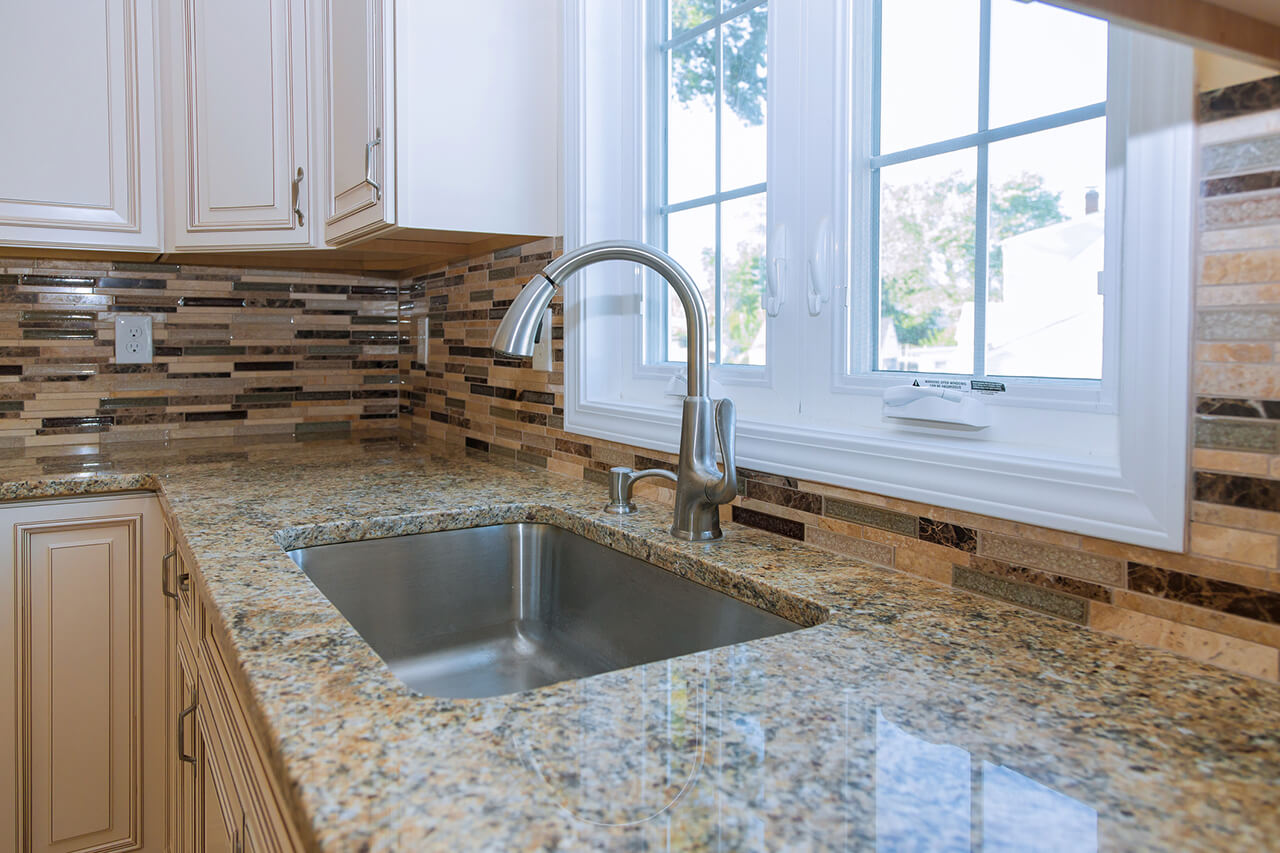
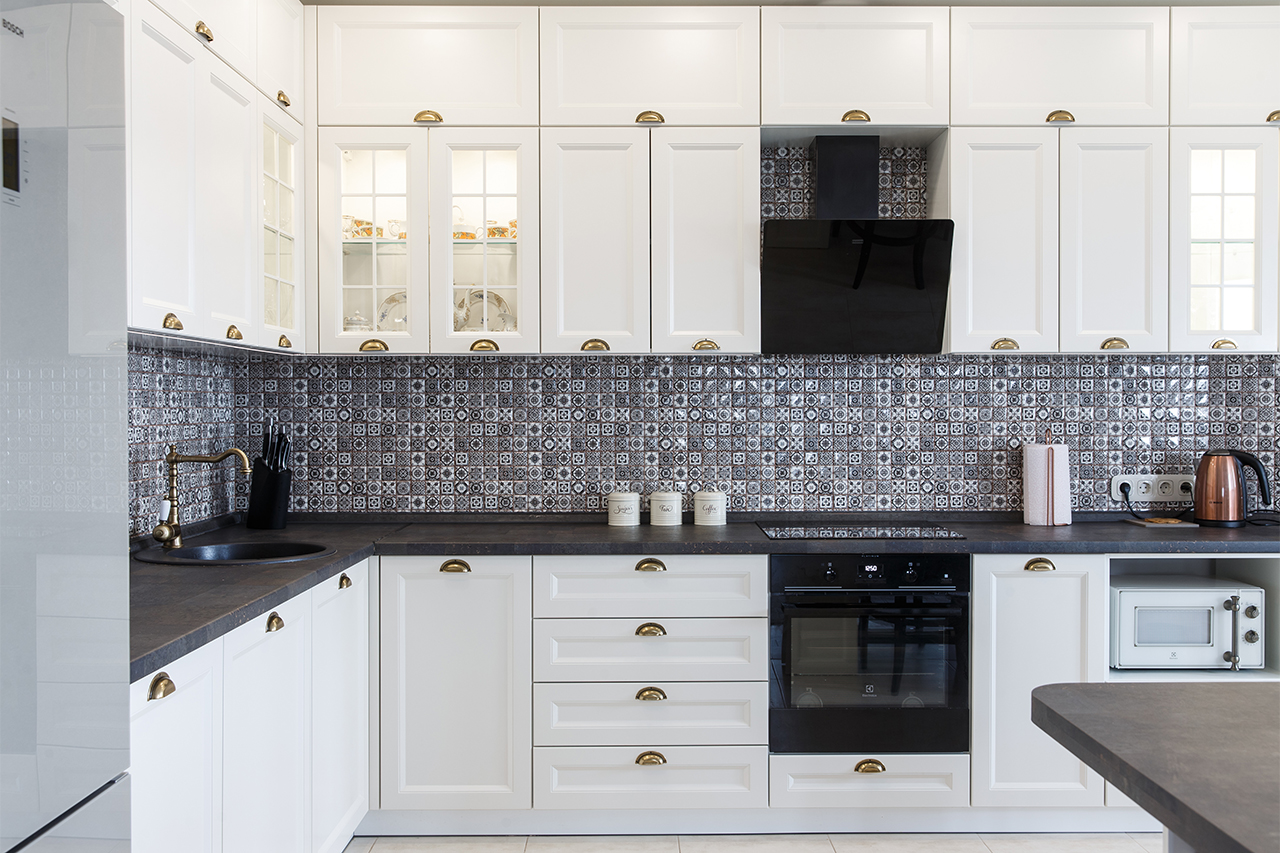
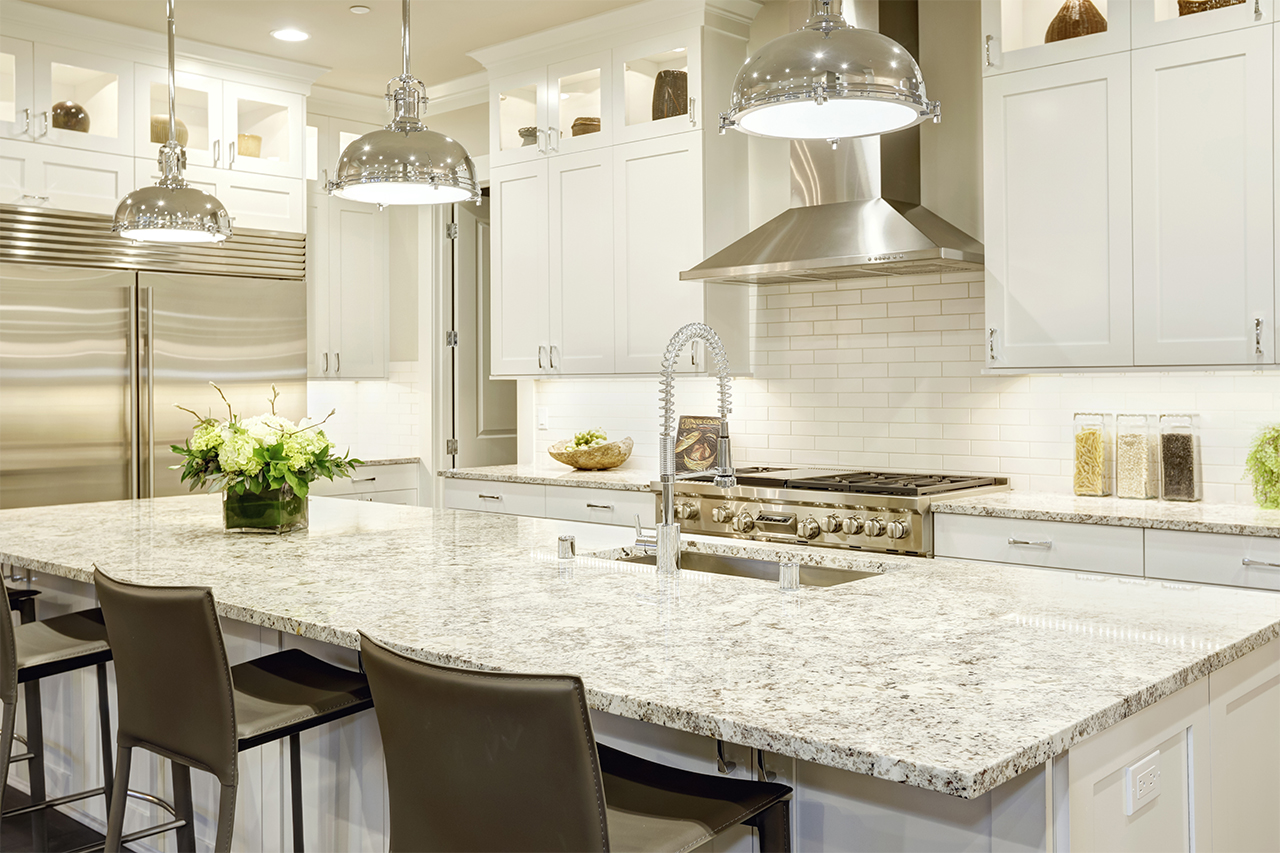
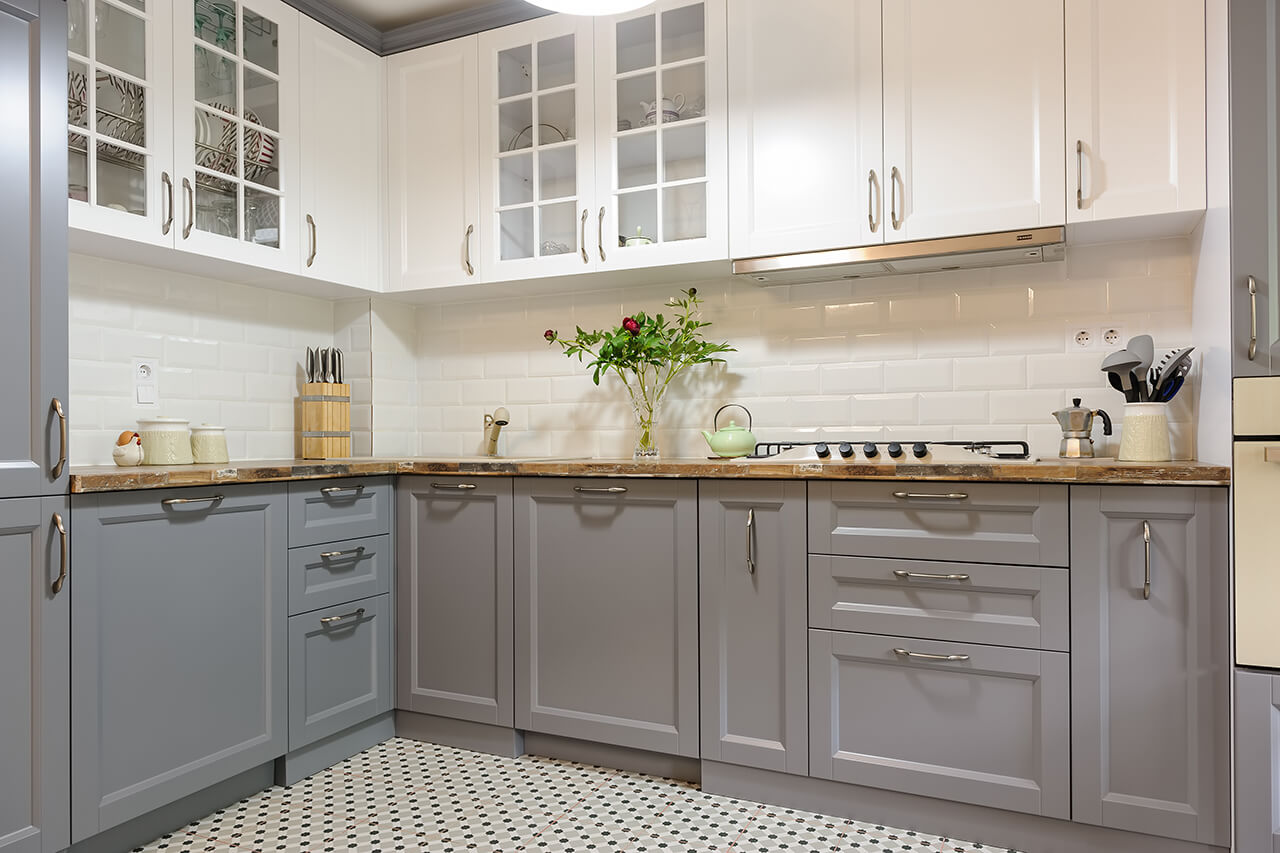
Installing a kitchenette in your basement costs $45,600 on average. Included in the total is the cost of cabinets, which are $500 to $7,500 for five linear feet. It also includes countertop prices that range from $250 to $1,200 for 10 square feet. The cost of installing appliances makes up most of the price at $1,675 to $23,600. Plumbing, wiring and sink installation costs are included in the project total as well.
Although much of the features are the same, the total is lower than the price of a full kitchen addition due to its much smaller size. A kitchenette only takes up around 70 square feet, while an addition is about 200 square feet.
Cost to Convert a Basement into a Bedroom
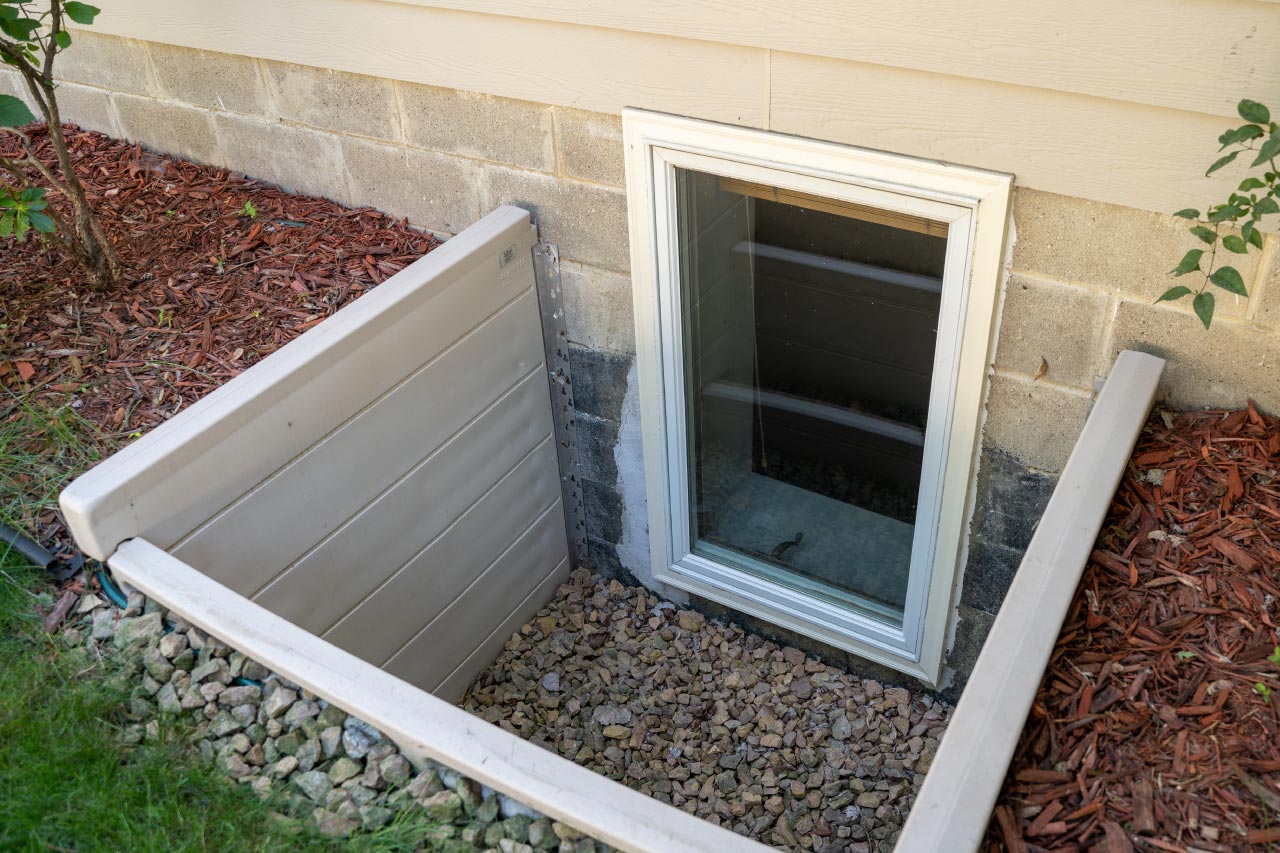
Converting your basement into a bedroom is about $22,200. You must cover the price of an egress window at $3,900 on average to keep the space up to code. Beyond that, you just finish the space with drywall, flooring and all the other features you want in a bedroom.
Additional Rooms & Features
The way you plan to use the basement determines how to best build out the space. You can turn it into a:
Playroom
Rec Room
Home Theater
Wet Bar
Home Office/Workshop
Will you need a Wi-Fi router downstairs? Home offices, theaters and workshops all need high-tech lighting and plenty of outlets, for example, while a wet bar needs water lines and a drain for the sink.
Total Basement Finishing System Cost
A full basement finishing system is $30,000, which comes with wall and ceiling panels plus a comfortable flooring surface. Expect to pay $4.75 per square foot if you only want insulated wall panels.
Depending on the size of your basement, these finishing system kits only take a weekend to install. The space will still need flooring, paint and other finish work before it is complete.
If you have the time, a professional team can take a basement from framing to complete in about 45 days. Going the DIY route often takes a lot longer.