
Indoor air pollution is a problem we are only beginning to understand. As our homes become more tightly sealed for the purpose of conserving energy resources, the problems become ever more apparent. People generally become interested in the issue when they notice certain health symptoms correlating with time spent in a particular indoor location. Similarly, people get curious when they encounter persistent, unidentified odors.
The two substances that are the most dangerous (at least in the short term) to you and your family are natural gas and carbon monoxide.
Natural Gas
Most people are familiar with the smell of natural gas. Many stoves, ovens, dryers, furnaces, water heaters and a few air conditioners and refrigerators run on natural gas. While fumes from the not-yet-burned gas can make you ill, the more immediate danger is fire or an explosion.
When a gas leak occurs, the concentration of gas to air increases in the home until the mixture becomes rich enough to ignite. Any spark, cigarette, or pilot light will ignite the gas in the air. The air literally catches fire and can cause a powerful explosion that can level homes.
Don’t take any chances with gas leaks. If you smell gas, get out quickly and call either your gas company or 911 from a neighbor’s house.
Carbon Monoxide
A significant number of carbon monoxide-related deaths are the result of poorly maintained chimneys and furnaces. Carbon monoxide is a byproduct of combustion, forming a portion of the fumes exhausted when natural gas, wood, coal, and other fuels are burned. The less complete the burning, the more carbon monoxide is generated.
Gas hot water heaters, gas and oil furnaces, fireplaces, and wood stoves all generate carbon monoxide as do any other appliances that burn gas or solids. Cars also generate the deadly gas, causing many deaths and injuries when people warm up their car motors in closed garages.
One reason carbon monoxide is so deadly is that you can’t see or smell it. Rarely do its victims have any warning. Low levels of poisoning cause flu-like symptoms, so people think they are just catching a cold. More advanced poisoning can cause vomiting and headaches and, ultimately, death. Children in particular are quite susceptible to brain damage after relatively low levels of exposure. This is why carbon monoxide detectors are now highly recommended and, in many areas, required by law.
In chimneys, fireplaces, and furnaces, most carbon monoxide problems occur as a result of improper exhausting of fumes. These problems are almost entirely avoidable through regular inspection by trained eyes.
If you suspect you have a carbon monoxide problem or your detector alarm goes off, open the windows and provide the home with lots of fresh air. Children and the elderly should probably relocate until the situation is resolved.
Unlike many indoor air quality problems, carbon monoxide is easily diagnosed. The gas company will come out at no charge and check for the source.
Ready to start your Air Quality Testing?
Find ProsOther Air Pollution Problems
There are many other materials present in the home that can cause odor or health problems.
In most cases, there will be many possible suspects. To help figure out the most likely source of the problem in your home, it’s recommended that you keep a written log of conditions and locations whenever you notice either symptoms or odors. The log should indicate the symptoms noticed, the time of day, the day of the week, the date, the humidity and temperature conditions inside and out, and if any air conditioning devices (heating, cooling, humidifying, etc.) are running. The hope is (and the most common experience is) that the logged events will eventually indicate a pattern that in turn will indicate a particular source.
While this approach may sound terribly slow and inadequate, it is the only practical way to get to the solution. When an owner of a large building hires one of the very expensive evaluation companies, the company starts by interviewing the building’s tenants about the same kind of information you should record in your log. Performing dozens or even hundreds of expensive, specialized tests under the wide variety of conditions is simply expensive and often inconclusive.
One major reason there is no simple and direct way to diagnose the problem is that tolerances to specific substances vary enormously from person to person. A second reason is that one individual’s tolerance for a given substance can change dramatically and suddenly.
 Lead Paint Common Sense
  How Do I Get Rid of the Moldy Odor in My Basement?
 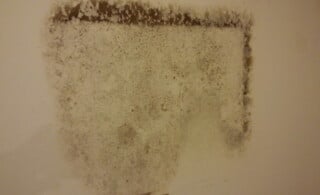 The Reason for Mold Inspection
 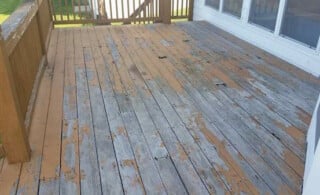 Dry Rot: The Invisible Killer
 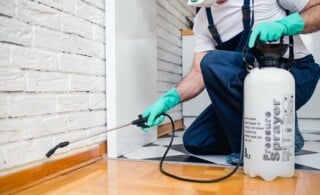 How to Find & Hire a Professional Pest Control Company

Are You Familiar With This Topic? Share Your Experience.