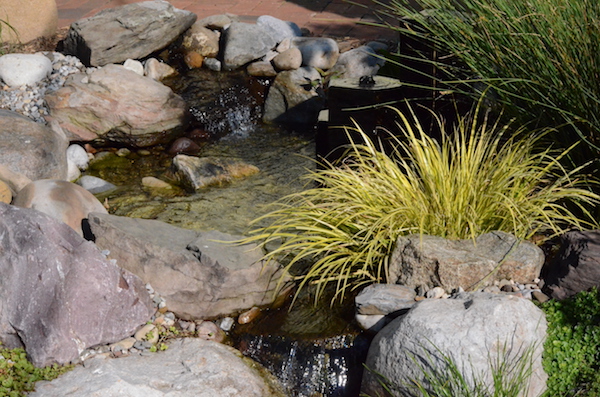
Once a small, specialty niche where only hard-core gardeners would go, bog gardens have become increasingly popular in recent years because of the variety of beautiful and exotic plants they can add to your garden, and because, once built, they are easy to maintain.
Basic Bog Garden Design
A bog is a spongy, waterlogged area, where the soil is slightly acidic, thanks to the peat and sphagnum moss growing there. It provides a home for distinctive, water-loving shrubs and herbs that are specially adapted to handling the acidic quality of the soil. Bogs form naturally in glacial lake beds over hundreds of years. Most folks don’t live near these areas, so a bog garden is a way of replicating this unique environment through the use of excavation and irrigation in your own backyard. Backyard bog gardens are often installed alongside of ponds—a great idea, to be sure—but these gardens are very different in the number and kinds of nutrients they provide.
Four Steps to Building a Bog Garden in Your Backyard
- The area must first be dug and excavated, so that the right soil and drainage conditions can be created. You want to dig two or three feet deep, so that there is room for your bog plants’ roots. The larger an area you have the better, given that small beds tend to dry out quickly.
- Lay down a sheet of plastic (4-8mm thick). This will keep the water from draining and dissipating. You will want to use a single sheet, as water will leak through the seams of multiple, overlapping sheets. Some users prefer a layer of gravel and hard clay to retain water. For proper, regulated drainage, put holes around the edge of the liner, about a foot below the surface. This will keep your plants’ crowns from rotting.
- The soil should be a mixture of the native soil you have dug up with compost, or any number of specialty soils, such as sphagnum, with sand. Your chosen bog garden plants will determine the best soil type. Check with a gardening professional for tips and advice.
- Once you have filled your bog garden, you will want to let it settle, keeping it well-watered, for anywhere from a week to a month before you plant. From then on, maintenance involves regular watering, but little weeding, since most weeds don’t survive such moist conditions.
Bog Garden Plants
The best bog garden plants are those that require plenty of moisture. These can be your regular garden plants, or, for a more authentic bog atmosphere, plants that prefer the acidity of a real bog. Some examples include:
- Giant rhubarb (gunnera manicata), which has big, umbrella-shaped leaves and prickly stems
- Powdered primrose (primula pulverulenta), which feature pretty flowers in tiers up their stems.
- Nana (darmera peltata), which produce pink flowers and saucer-shaped leaves that turn fiery in autumn.
- Queen Victoria (lobelia), featuring bright red leaves topped with crimson flowers.
Bog garden plants are particularly good at attracting hummingbirds, butterflies, and other friendly creatures, and many owners find that they are able to create an entire ecosystem in their backyard. In this sense, this type of garden is perfect as a backyard centerpiece for a holistic approach to landscaping. Just like a high-quality hardwood floor might be the focus of an interior living room but must still work within the larger frame work of your interior decorating, your backyard bog garden will work much the same way. Your landscaping can incorporate many components that aren’t necessarily “authentic” to bog garden design, but work in harmony and to great effect in creating a thematically cohesive and visually stunning property.
 Dry Well Cleaning & Maintenance Tips
  Soil Engineers & Testing
  What Should I Do With My Shade Trees After a Storm?
  Improve Your Short Game at Home: The Complete Guide to a Backyard Putting Green
 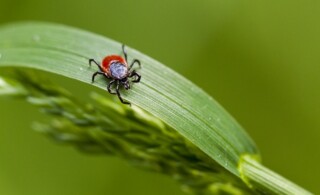 Landscaping Tips: Preventing Ticks in Your Backyard

How do bog gardens differ from rain gardens? Do bog gardens proliferate in certain areas of the USA (e.g. New England?), where as rain gardens proliferate elsewhere (e.g. St. Louis, Missouri?)? Where can I get the best information for either of these types of gardens for the western suburbs of Boston, MA?