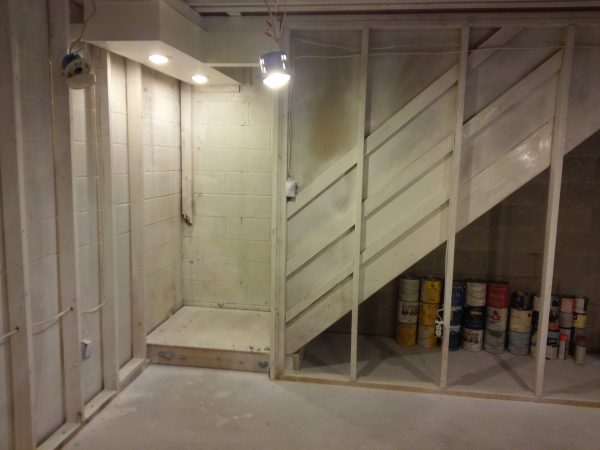
Your basement is one of the most common areas of the home for mold to prosper. Mold is a fungus and, like many living organisms, all it needs to grow is the presence of water and something to feed on. Basement mold is so common because these conditions are so easily created. Dry basements are notoriously difficult to create and maintain.
Basement mold can land and feed on wood, ceiling tiles, wallpaper, paints, carpet, sheet rock, brick, or insulation—and that’s just to name the most common feeding materials. There isn’t a basement that doesn’t have something for mold to feed on. Of course, not all basements are infested with basement mold. Part of this is simply the randomness of living organisms, but doing your best to reduce moisture levels and water leaks will reduce the likelihood that you have to deal with basement mold.
Finding the Problem
Basement mold is usually detected by sight or smell. If you think you see or smell mold, you probably have a problem. A certified mold inspector should be able to give you a more definitive assessment of the problem, but the first thing you should do is identify the source of water entering your basement. If you have mold, you also have a moisture problem. Some causes of moisture in the basement might be:
- Water seepage
- Clogged gutters or poor yard drainage
- Cracks in the basement wall
- Cracks in the foundation
- High humidity and cold temperatures
- Flooding
In any case, you’ll need to find the nature of the water problem and have that fixed first. Then you need to remove the mold and fix the cause to avoid future mold.
Where Mold Grows
Some areas to check for signs of mold include:
- Walls
- Building frames
- Ceiling
- Insulation
- Furniture
- Pipes
- HVAC vents
- Floor
If you can’t find mold in any of these places but still smell or suspect it, you can have a mold professional come out to look around. If you do DIY the inspection, make sure you wear the appropriate gear — gloves, googles, mask — so you don’t end up with health problems.
Ready to start your basement mold removal?
Find ProsBasement Mold Removal
Depending on the size of the mold infestation, you may need to hire a certified professional to take care of your mold problem. Average costs range from $1,100 to $3,200. Spores are most likely to be stirred up during the removal process. This is the primary reason why it’s imperative you take care of your water problem first.
Some forms of mold are harmless; others can be harmful to your health, especially if you have allergies or asthma. You should always use gloves, goggles, and some kind of breathing equipment. You’ll need to seal the affected area off from the rest of your home. Carefully remove and throw away any mold-affected material and then scrub the area clean. After the area is clean, use a borate-based detergent to keep the mold from reappearing. Again, for larger areas of mold growth, you’ll probably need to hire a mold removal professional. In some places, you may be required by law to hire a certified professional.
 Mold and Basement Odors
  Lead Paint Common Sense
  How Do I Get Rid of the Moldy Odor in My Basement?
  Think Home Safety with Your Basement Remodel
  8 Basement Remodeling Tips

Are You Familiar With This Topic? Share Your Experience.