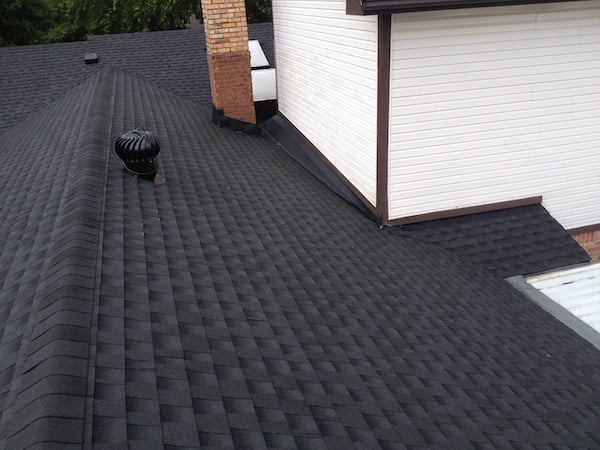
If you have an older house, then you can assume you have some old roofing as well. And aside from cleaning the gutters and downspouts, there’s a good chance your roofing hasn’t received much maintenance in all those years. So if you start to see some dark staining, tarnishing, or discoloration, it may be time to look into some roof stain removal. Most often what appears as staining is actually mildew and fungus spores embedded into the shingles from nearby plants, trees, and shrubbery. Any roofing is vulnerable to damage from the outdoor elements, but if gone untreated these imperfections could lead to more serious problems, such as deterioration, rot, and leaks.
Bleach It Out!
A very common form of roof mold removal is chlorine bleach. Typically you mix one-part bleach with three-parts water and add a pinch of TSP (Tri-Sodium Phosphate) for an extra-strength solution. Next, take some precaution with surrounding foliage: bleach can severely hurt plant life, so make sure to spray down any nearby shrubs or trees with water before and after the project and cover them up for the duration of the job. Then, put the mixture in a standard garden pump-sprayer and gently apply the solution to the surface of the infected roofing (make sure to avoid contact with other parts of the building). Also, avoid scrubbing since friction may loosen and remove the asphalt shingles’ granule coating. Let it sit for a few minutes and then rinse with a hose (avoid roof power washing since it could also loosen the granules). Allow it to completely dry and then re-inspect the area: if it still appears slick and slimy, the process may have to be repeated.
Is Bleach Not Working?
The difficulty with bleach mixtures is that they sometimes don’t completely solve the problem. If may only be a temporary answer and discoloration is likely to recur over time. Also, another common mistake is that homeowners think by making the solution stronger or allowing it to sit longer they’re doubling the impact when all it really does it cause additional damage. And on asphalt roofs, bleach could create elasticity problems, causing the shingles to stiffen, become brittle, or even curl up.
Roof Stain Removal Alternatives
Besides bleach, there are several alternative techniques in roof mold removal. It was once thought that lye-based (sodium hydroxide) solutions would work best, but most lye-based materials have stopped production since they can cause even worse damage: they could literally eat and dissolve your roofing. Therefore, for a bleach-free roof stain removal, you may want to contact a professional who can use the proper mixtures of high-powered solutions while using advanced application techniques. But if you’re a do-it-yourselfer, most hardware stores have supplies on their shelves that incorporate zinc compounds for a slow-activating but long-term result. In fact, some of these non-bleach products even have the ability to inhibit future mildew dilemmas.
Ready to start your roofing stains?
Find ProsPreventative Products
The best way to fight contamination is to avoid it altogether. If you contact a qualified professional, these experts can help you select and install the proper roof stain removal product that not only thwarts mildew growth but helps preserve your roofing for years to come. Here are some options:
- Zinc Strips: These are small strips installed near the apex of a roof. When it rains or snows, a small amount of zinc residue dissolves and runs down the pitch of your house, covering it in a protective layer in order to inhibit the development of future fungus.
- Anti-Growth Sprays: Whether you’ve cleaned the mildew by means of bleach, zinc sprayers, or professional contractors, after completing the roof mold removal you may want to apply an anti-growth spray which can protect against the future return of fungus.
- Resistant Shingles: These shingles are produced with a special additive for asphalt roofing which involves the use of copper granules. They’re not too common yet, so they may be difficult to come across. Therefore, for more information about the newest roof stain removal technology, contact a local service professional for additional advice.
 Best Asphalt Shingles – A Buyer’s Guide
  Rubber Roofing – Benefits & Alternatives
  Should You Layer Shingles on Your Roof?
  How to Keep Your Metal Roof Healthy
  How to Find & Fix a Leaking Roof

Under anti-growth sprays. zinc sprayers are mentioned. I would like to know more about this
specific method and what equipment/chemical solutions are involved.